
Complete Guide to Cricket Safety Checklist Essentials

Every American cricket player faces unique risks every time they step onto the field. With cricket rapidly gaining popularity in American communities, understanding how to stay safe becomes more urgent than ever. Studies reveal that over 60 percent of sports injuries could be prevented with proper safety measures. This guide unpacks practical cricket safety checklists, gear recommendations, and field protocols that help American players and coaches create a safer, more confident game for everyone.
Table of Contents
- Defining A Cricket Safety Checklist
- Types Of Safety Equipment For Cricket
- Field Safety Measures And Protocols
- Responsibilities Of Players And Coaches
- Common Safety Risks And How To Avoid Them
Key Takeaways
| Point | Details |
|---|---|
| Cricket Safety Checklist Importance | A cricket safety checklist helps identify and manage risks specific to the game, enhancing player wellbeing and injury prevention. |
| Essential Safety Equipment | Using appropriate protective gear, such as helmets and pads, is crucial for safeguarding players against injuries. |
| Field Safety Protocols | Regular field evaluations and clear communication of potential hazards are necessary for maintaining a safe playing environment. |
| Roles of Players and Coaches | Both players and coaches share the responsibility of cultivating a culture of safety, ensuring adherence to safety protocols and proactive risk management. |
Defining a Cricket Safety Checklist
A cricket safety checklist is a systematic approach to identifying, managing, and mitigating potential risks associated with playing cricket. Unlike generic sports safety protocols, this specialized checklist focuses on the unique hazards present in cricket environments, from training facilities to match venues. Comprehensive risk assessment guidance helps teams and individual players proactively address potential safety concerns before they become serious issues.
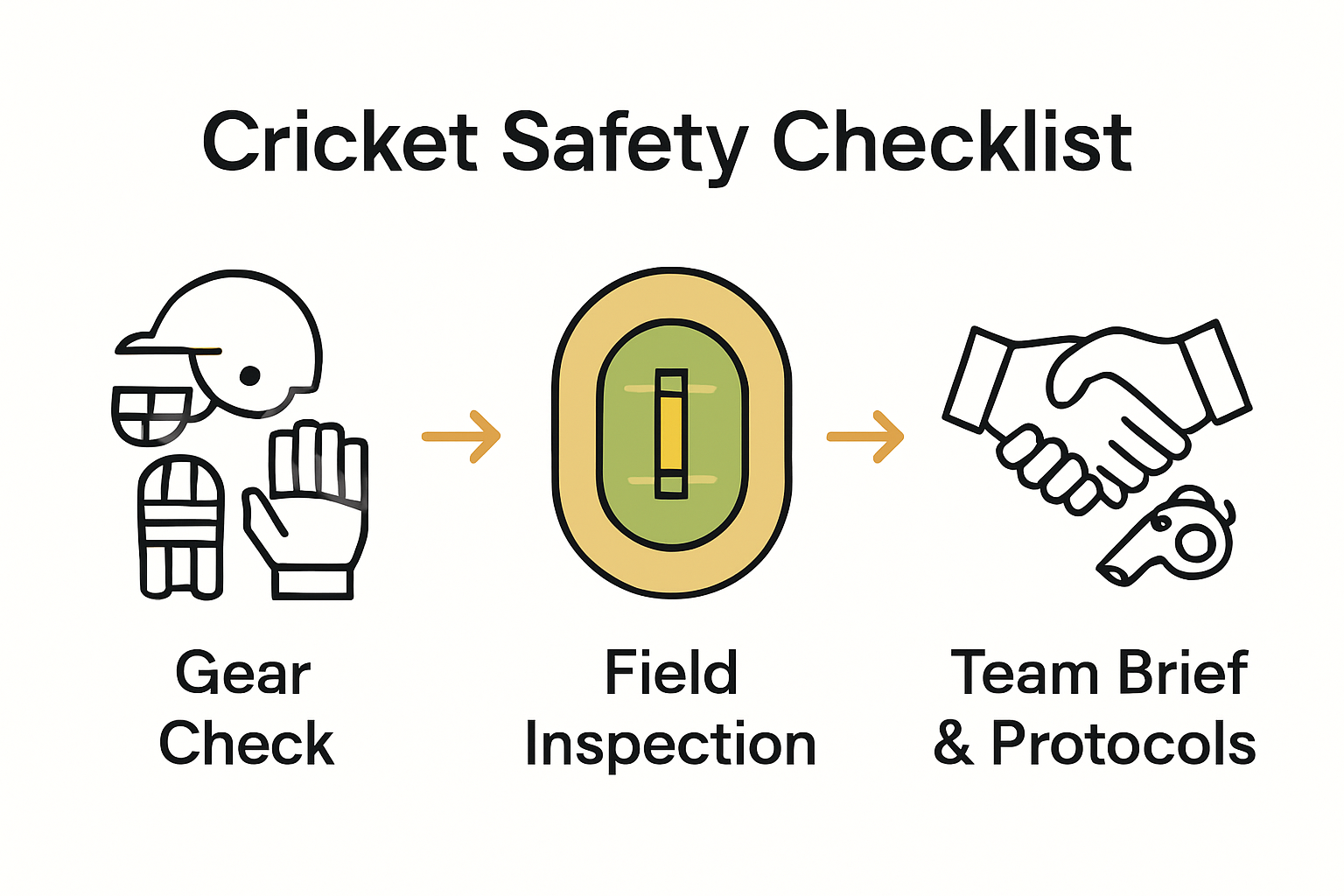
The primary purpose of a cricket safety checklist is to create a structured framework for preventing injuries and ensuring player wellbeing. Key components typically include equipment inspection, field condition assessment, player protective gear verification, and emergency preparedness protocols. Hazard identification processes enable coaches, team managers, and facility administrators to systematically evaluate potential risks across multiple dimensions of cricket play.
Effective cricket safety checklists are dynamic documents that adapt to changing conditions and emerging safety standards. They should cover critical areas such as:
- Personal protective equipment (helmets, gloves, pads)
- Field and pitch condition assessments
- Player physical readiness screening
- Emergency medical response preparedness
- Equipment maintenance and inspection protocols
By implementing a comprehensive safety checklist, cricket organizations can significantly reduce injury risks, create safer playing environments, and demonstrate a proactive commitment to player health and wellbeing.
Types of Safety Equipment for Cricket
Cricket safety equipment represents a critical line of defense against potential injuries during play. Recreational cricket safety guidelines emphasize the importance of comprehensive protective gear that shields players from high-velocity impacts and potential accidents on the field. Proper equipment selection goes beyond mere protection – it directly influences a player’s confidence and performance.
The core protective gear for cricketers typically includes several essential items. Mandatory safety protocols recommend players use specialized equipment designed to minimize injury risks across different playing positions. The most critical safety equipment includes:
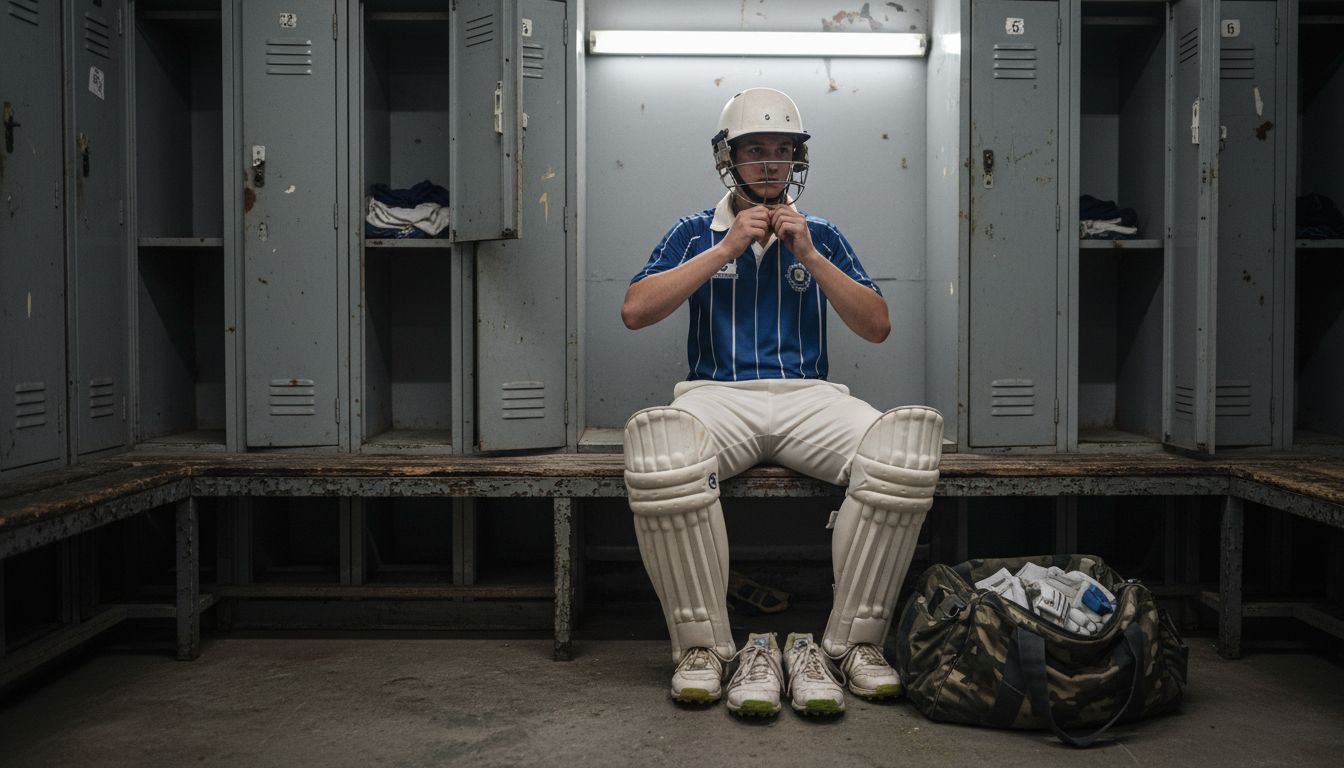
- Helmets: Protect the head from direct ball impacts
- Batting Gloves: Shield hands during batting and fielding
- Leg Pads: Provide protection for legs against fast-moving balls
- Arm Guards: Protect forearms from potential ball strikes
- Groin Protectors: Prevent serious injuries to sensitive body areas
- Thigh Pads: Offer additional leg protection for batsmen
- Chest Guards: Minimize risk of chest and torso injuries
Advanced safety equipment has evolved significantly, incorporating modern materials like high-density foam, reinforced carbon fiber, and lightweight protective polymers. These innovations ensure maximum protection without compromising players’ mobility or comfort. Cricket organizations increasingly mandate comprehensive safety gear to create a secure playing environment that prioritizes player health and reduces potential injury risks.
Field Safety Measures and Protocols
Field safety is a critical component of cricket risk management that extends far beyond individual player protection. Comprehensive coaching safety protocols emphasize the importance of creating a systematically secure environment for players across all skill levels. This involves multiple layers of proactive risk assessment and strategic preventative measures that address potential hazards before they can cause injury.
Effective field safety requires a multi-dimensional approach that includes thorough equipment inspection, field condition assessment, and clear communication protocols. Comprehensive cricket club guidelines recommend implementing structured safety procedures that cover various aspects of field management:
- Pre-match field surface evaluation
- Equipment condition checks
- Clear marking of potential hazard zones
- Establishing safe practice areas
- Maintaining appropriate distance between players during training
- Regular maintenance of practice nets and playing surfaces
- Implementing emergency response protocols
Successful field safety management demands continuous vigilance and proactive planning. Coaches and team managers must develop a culture of safety consciousness, where every team member understands their role in maintaining a secure playing environment. This includes regular training on proper equipment use, understanding field layout risks, and developing quick response strategies for potential emergency situations.
Responsibilities of Players and Coaches
Safety culture in cricket fundamentally depends on the shared responsibilities of players and coaches. Comprehensive professional standards outline a critical framework that defines explicit expectations for both team members and leadership in maintaining a secure playing environment. These responsibilities extend far beyond simple compliance, representing a holistic commitment to player wellbeing and risk prevention.
Safety and security guidelines clearly delineate the specific roles and expectations for players and coaches. Key responsibilities include:
For Coaches:
- Conduct comprehensive pre-session risk assessments
- Ensure proper equipment maintenance and inspection
- Develop and implement safety training protocols
- Monitor player physical and mental readiness
- Create emergency response and injury management plans
For Players:
- Use protective gear correctly and consistently
- Report potential safety hazards immediately
- Maintain personal fitness and injury prevention practices
- Follow established safety protocols during practice and matches
- Support teammates in maintaining a safety-first culture
Successful implementation of safety protocols requires ongoing communication, mutual respect, and a shared understanding that preventing injuries is a collective responsibility. Coaches must lead by example, creating an environment where safety is prioritized without compromising the competitive spirit of the game, while players must actively participate in and embrace these protective measures.
Common Safety Risks and How to Avoid Them
Cricket safety risks encompass a wide range of potential hazards that require proactive management and strategic prevention. Comprehensive insurance and safety assessments reveal that understanding these risks is the first critical step in creating a secure playing environment. The most significant dangers extend beyond physical injuries to include equipment failures, environmental conditions, and improper training techniques.
Risk assessment protocols identify several key safety risks that players and coaches must actively mitigate:
Physical Risks:
- High-velocity ball impacts
- Unexpected fielding accidents
- Muscle strains and overuse injuries
- Collisions between players
- Heat exhaustion and environmental exposure
Equipment-Related Risks:
- Damaged protective gear
- Poorly maintained playing surfaces
- Faulty batting or bowling equipment
- Inadequate protective padding
- Inappropriate footwear
Mitigating these risks requires a comprehensive approach that combines proper training, equipment maintenance, and continuous awareness. Players must remain vigilant, coaches must implement rigorous safety protocols, and teams must prioritize prevention over reaction. Regular equipment inspections, comprehensive warm-up routines, and ongoing safety education create a multilayered defense against potential cricket-related injuries and accidents.
Equip Yourself for Safety with Trusted Cricket Gear
Ensuring a comprehensive cricket safety checklist means investing in the right protective equipment and preparing every aspect of your game environment. Players and coaches alike face challenges such as high-velocity ball impacts, equipment wear, and field hazards that can lead to injury without proper gear and protocols. The article highlights the importance of helmets, gloves, pads, and emergency readiness to reduce risks and maintain peak performance.

Don’t compromise on safety or comfort when your health is on the line. At CricketKingdom.co.uk, you can browse a wide range of professional-grade cricket equipment designed to meet the exact standards discussed in the cricket safety checklist essentials. Benefit from free shipping on orders over £100 and expert services like free batting oiling and knocking for high-value bats that boost durability and performance. Visit our site now and gear up to play safer with confidence. Explore our collection, secure your protection, and make your next match injury-free.
Frequently Asked Questions
What should be included in a cricket safety checklist?
A comprehensive cricket safety checklist should include personal protective equipment inspections, field condition assessments, player physical readiness screenings, emergency medical response preparedness, and equipment maintenance and inspection protocols.
Why is using proper safety equipment essential in cricket?
Proper safety equipment is essential in cricket as it protects players from high-velocity impacts and potential accidents on the field, directly influencing player confidence and performance during play.
What are common safety risks in cricket, and how can they be avoided?
Common safety risks in cricket include high-velocity ball impacts, unexpected field accidents, muscle strains, and heat exhaustion. These can be avoided through proper training, regular equipment maintenance, thorough warm-up routines, and maintaining awareness of the playing environment.
What responsibilities do coaches have in maintaining a safe cricket environment?
Coaches are responsible for conducting pre-session risk assessments, ensuring proper equipment maintenance, implementing safety training protocols, monitoring player readiness, and creating emergency response and injury management plans.
Recommended
- 7 Essential Cricket Safety Tips Every Player Should Know – The Cricket Kingdom
- 7 Key Items in Your Cricket Safety Equipment List – The Cricket Kingdom
- 8 Key Items for Your Cricket Safety Gear Checklist – The Cricket Kingdom
- Cricket Helmet Safety Standards: Complete Guide – The Cricket Kingdom
- 8 Essential Restaurant Safety Checklists for Success – Probe IT
- The Essential Guide to Event Risk Assessment – team I