Cricket Shoes Selection – Choosing the Perfect Fit

Most American players underestimate the impact their footwear has on performance. Nearly 40 percent of cricket injuries are linked to poor shoe selection, a fact that surprises many beginners and seasoned athletes. Cricket shoes are more than regular sports sneakers. They are engineered specifically for rapid direction changes and stability unique to cricket. This guide breaks down essential information and exposes myths so every American cricketer can make smarter, safer choices on the field.
Table of Contents
- Cricket Shoes Explained And Common Myths
- Types Of Cricket Shoes And Their Uses
- Essential Features: Materials, Spikes, And Grip
- Fitting, Sizing, And Comfort Considerations
- Risks Of Wrong Shoes And Mistakes To Avoid
Key Takeaways
| Point | Details |
|---|---|
| Cricket Shoes Are Specialized | Each cricket shoe is engineered for specific player positions and surface types, impacting player stability and performance. |
| Fit Over Price | The right fit is essential for optimizing performance; expensive shoes do not guarantee better results. |
| Recognize Common Myths | Many players mistakenly believe one shoe type is sufficient for all conditions, which can negatively affect performance. |
| Injury Prevention | Selecting the appropriate footwear is crucial for injury prevention, emphasizing the importance of matching shoes to individual biomechanics. |
Cricket Shoes Explained and Common Myths
Cricket shoes are specialized footwear designed to enhance performance on the cricket field, with each component serving a unique purpose in supporting player movement and stability. Cricket shoe design involves careful engineering of outsoles, midsoles, and uppers to meet the demanding requirements of different playing surfaces and player positions.
The primary components of cricket shoes include the outsole, which provides critical ground interaction, the midsole responsible for shock absorption, and the upper section that ensures foot support and comfort. Contrary to popular misconceptions, not all cricket shoes are universal – specific designs cater to different playing conditions such as hard, soft, or synthetic surfaces. Players often mistakenly believe one pair of shoes works for every cricket environment, but specialized footwear can significantly impact performance and injury prevention.
Common myths about cricket shoes persist among amateur and professional players alike. Many believe that expensive shoes automatically guarantee superior performance, when in reality, fit and purpose are far more important. Another widespread misconception is that cricket shoes are essentially similar to other sports footwear. However, understanding cricket shoe types reveals unique design features tailored specifically for cricket’s dynamic movements – from quick lateral shifts to sudden stops and starts.
Understanding the nuanced design of cricket shoes requires recognizing that they are engineered for specific playing conditions. Factors like spike configuration, material breathability, and ankle support vary dramatically between shoes meant for fast bowlers, spin bowlers, and batsmen. Professional players invest significant time selecting footwear that provides optimal traction, comfort, and biomechanical support, transforming what might seem like a simple piece of equipment into a critical performance enhancement tool.
Types of Cricket Shoes and Their Uses
Cricket shoes are not a one-size-fits-all solution, with specialized designs catering to different playing positions and field conditions. Understanding cricket shoe variations reveals a nuanced landscape of footwear engineered for specific performance requirements. The primary categories include shoes for batsmen, bowlers, and all-rounders, each featuring unique characteristics that optimize player movement and field performance.
Batsmen require lightweight shoes with flexible soles that enable quick directional changes and smooth lateral movements. These shoes typically feature minimal spikes and prioritize comfort and agility. In contrast, fast bowlers’ shoes are characterized by more aggressive spike configurations, providing enhanced ground traction and supporting the intense biomechanical stresses of repeated high-speed bowling actions. Spike placement and shoe rigidity are critical for maintaining stability during complex bowling techniques.
All-rounders demand versatile footwear that bridges performance characteristics between batting and bowling requirements. These shoes often incorporate hybrid design elements, balancing flexibility with support. Players can choose between full spike, half spike, and non-spike variations depending on playing surface conditions. Selecting the right cricket shoes involves understanding factors like ground type, player position, and individual biomechanical needs.
The diverse landscape of cricket shoes extends beyond position-specific designs to accommodate different playing environments. Shoes for hard, dry pitches differ significantly from those intended for soft, damp surfaces. Synthetic grounds require yet another specialized approach. Professional cricketers often maintain multiple shoe types to ensure optimal performance across varying conditions, recognizing that footwear is not merely equipment but a critical performance enhancement tool that can dramatically influence player effectiveness and injury prevention.
Essential Features: Materials, Spikes, and Grip
Cricket shoes represent a sophisticated blend of engineering and performance technology, with each component carefully designed to enhance player capabilities. Understanding cricket shoe components reveals the critical importance of materials, spike configurations, and grip mechanisms in creating optimal athletic footwear. Synthetic leather and breathable mesh dominate modern cricket shoe construction, offering a delicate balance between durability, weight management, and comfort.
Spike configurations are fundamental to cricket shoe performance, with players choosing between multiple designs tailored to specific playing conditions. Full spike shoes provide maximum ground traction for fast bowlers on soft surfaces, while half spike and molded sole variations offer versatility across different pitch types. Cricket spikes explained highlight how spike placement and material directly influence a player’s ability to generate power, maintain stability, and execute precise movements during crucial match moments.
Grip technology extends beyond traditional spike systems, incorporating advanced rubber compounds and specialized sole designs that enhance player mobility. Modern cricket shoes integrate multi-directional traction patterns, allowing rapid lateral movements and sudden directional changes without compromising stability. The upper materials increasingly feature moisture-wicking technologies and reinforced stress points, ensuring that shoes can withstand the intense physical demands of competitive cricket while maintaining player comfort.
The selection of cricket shoe materials represents a sophisticated engineering challenge, balancing performance requirements with athlete comfort. Professional players recognize that shoe selection is not merely about aesthetic appeal but a critical performance enhancement tool. Lightweight synthetic materials, strategic ventilation zones, and biomechanically designed support structures combine to create footwear that can significantly impact a player’s on-field effectiveness, injury prevention, and overall athletic performance.
Fitting, Sizing, and Comfort Considerations
Properly fitted cricket shoes are a critical component of player performance and injury prevention, requiring careful consideration beyond simple numerical sizing. Finding the perfect cricket shoe fit involves understanding the nuanced relationship between foot anatomy, playing style, and shoe design. Foot width, arch support, and heel grip are fundamental factors that dramatically influence overall comfort and athletic performance.
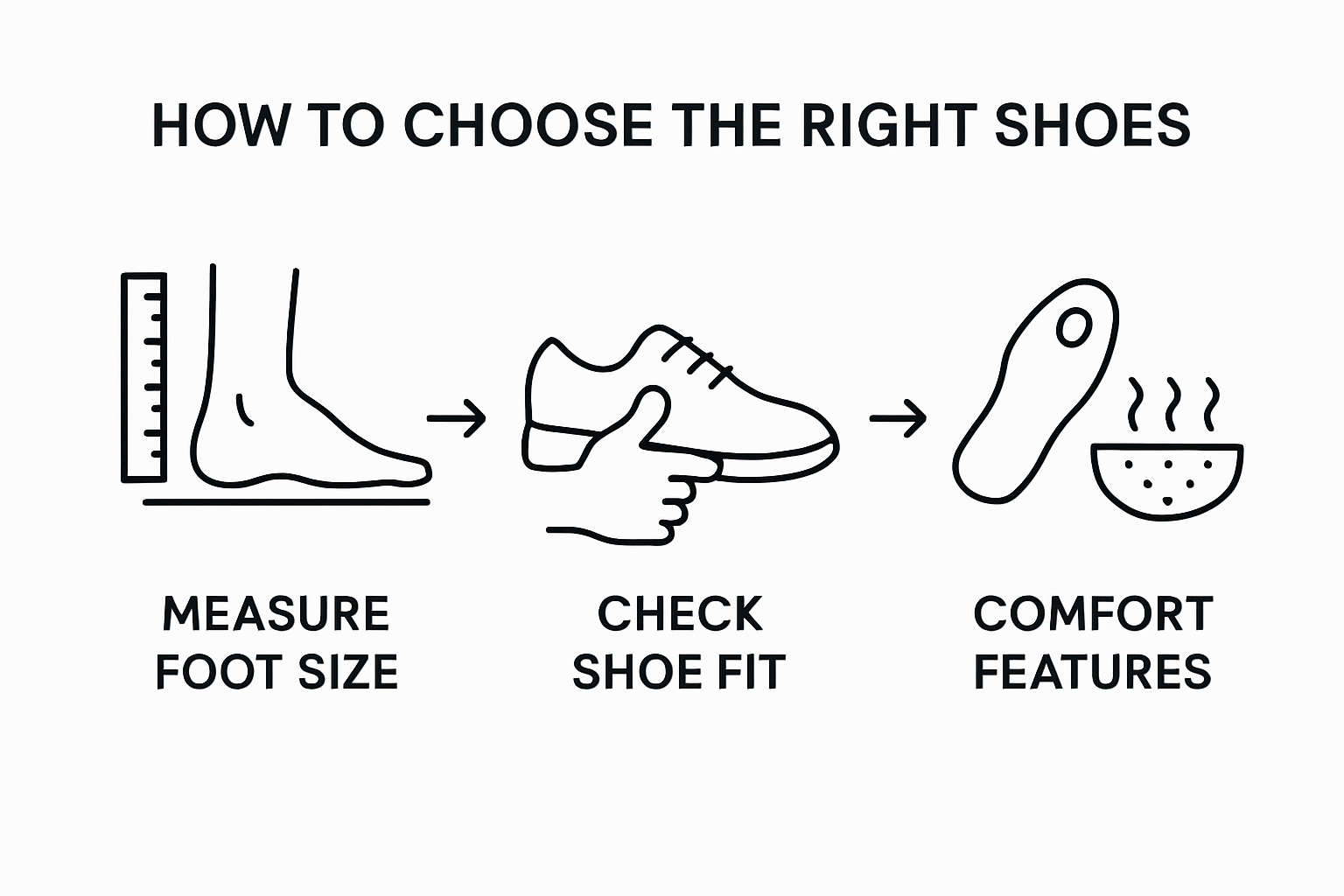
Measuring cricket shoe size extends far beyond traditional length measurements. Players must account for variations in foot volume, toe box space, and lateral movement potential. Different playing positions demand unique fitting characteristics – fast bowlers require more rigid ankle support, while batsmen need shoes that allow maximum flexibility and quick directional changes. Professional athletes often recommend trying shoes later in the day when feet are slightly swollen, providing a more accurate representation of real-world fit and comfort.
Comfort considerations involve multiple sophisticated design elements beyond basic sizing. Moisture-wicking interior linings, strategic ventilation zones, and cushioned insoles play crucial roles in preventing blisters and maintaining foot health during extended matches. Advanced cricket shoes now incorporate biomechanically designed support structures that adapt to individual foot mechanics, reducing fatigue and minimizing injury risks associated with prolonged physical exertion.
Ultimately, selecting the right cricket shoes requires a holistic approach that balances technical specifications with personal comfort preferences. Players should prioritize shoes that not only fit correctly but also complement their unique playing style and biomechanical characteristics. Trying multiple sizes, walking and performing cricket-specific movements during fitting, and paying attention to subtle pressure points can make the difference between adequate footwear and truly exceptional performance equipment.
Risks of Wrong Shoes and Mistakes to Avoid
Selecting the wrong cricket shoes can lead to significant performance limitations and potential long-term physical consequences for players. Inappropriate footwear represents more than a mere inconvenience – it can compromise athletic performance, increase injury risks, and potentially derail a player’s competitive potential. The most critical mistakes involve ignoring individual biomechanical needs, overlooking playing surface requirements, and prioritizing aesthetic appeal over functional design.
Common errors in cricket shoe selection include purchasing shoes with incorrect spike configurations, neglecting personal foot mechanics, and failing to match footwear to specific playing positions. Fast bowlers who choose shoes without adequate ankle support risk repetitive stress injuries, while batsmen using overly rigid shoes can experience reduced mobility and increased fatigue during extended match play. Players frequently make the mistake of selecting shoes based on price or brand reputation rather than understanding their unique performance requirements.
Physical risks associated with inappropriate cricket shoes extend beyond immediate discomfort. Biomechanical misalignment can trigger chronic conditions like shin splints, plantar fasciitis, and knee strain. Shoes with inadequate cushioning or poor traction increase the likelihood of sudden slips, sudden directional changes, and potential ligament damage. Professional athletes emphasize that shoe selection is a critical injury prevention strategy, not merely an equipment choice.
Mitigating risks requires a comprehensive approach to shoe selection that considers individual playing style, foot anatomy, and specific performance demands. Players should prioritize professional fitting, understand their foot type, and recognize that cricket shoes are precision engineering tools designed to enhance athletic performance. Investing time in proper shoe selection can prevent potential injuries, optimize on-field performance, and support long-term athletic development across various playing conditions and skill levels.
Find Your Perfect Cricket Shoes for Maximum Comfort and Performance
Choosing the right cricket shoes is a crucial step to avoid injuries and boost your on-field confidence. This article perfectly highlights common challenges like selecting the correct spike configuration, fitting issues, and understanding your playing style. At CricketKingdom.co.uk, we understand how essential proper grip, comfort, and tailored design are when you hit the pitch.

Explore our wide selection of cricket shoes designed to meet diverse needs from fast bowlers needing rigid ankle support to agile batsmen requiring flexible soles. Don’t risk your game or comfort with improper footwear. Visit CricketKingdom.co.uk now to find expert guidance and high-quality cricket shoes that fit your unique requirements. Act today to unlock superior performance with shoes made for the demands of your cricket journey.
Frequently Asked Questions
What features should I consider when selecting cricket shoes?
When selecting cricket shoes, consider features such as the outsole type for traction, midsole for shock absorption, and upper materials for comfort and support. Additionally, examine the shoe’s spike configuration based on your playing surface and position.
How do I determine the correct size for cricket shoes?
To determine the correct size for cricket shoes, consider factors like foot width, arch support, and heel grip. It’s recommended to try shoes later in the day when your feet are naturally swollen, ensuring a better fit. Also, perform cricket-specific movements during the fitting process.
What are the differences between cricket shoes for batsmen and bowlers?
Cricket shoes for batsmen are generally lightweight with flexible soles for quick movements, while bowlers’ shoes have more aggressive spike configurations for enhanced traction and stability during high-speed bowling actions.
Why is it important to choose the right cricket shoes for my position?
Choosing the right cricket shoes for your position is crucial because inappropriate footwear can lead to compromised performance and increased injury risks. Specific designs are engineered to support the unique movements and impacts experienced by different player types, such as fast bowlers, batsmen, and all-rounders.
Recommended
- Complete Guide to Buying Cricket Shoes – The Cricket Kingdom
- How to Buy Cricket Shoes for the Perfect Match Fit – The Cricket Kingdom
- Complete Guide to the Role of Cricket Shoes – The Cricket Kingdom
- 7 Best Cricket Shoes List for Support and Comfort – The Cricket Kingdom
- How to Choose Christian Footwear for Faithful Style – Walk In His Footsteps