Role of Cricket Helmets – Ensuring Player Safety

Most American players may not realize that a cricket ball can exceed 90 miles per hour, putting immense strain on even the best protective gear. The right cricket helmet is essential, since just one missed delivery can lead to serious head or facial injury. This guide reveals why understanding cricket helmet design, fit, and safety standards is crucial for every athlete who values reliable protection on the pitch.
Table of Contents
- Cricket Helmets Defined And Their Vital Purpose
- Types Of Cricket Helmets And Protective Features
- Safety Standards And Global Compliance Requirements
- Common Misconceptions About Helmet Use
- Risks Of Improper Helmet Fit Or Usage
Key Takeaways
| Point | Details |
|---|---|
| Importance of Helmets | Cricket helmets are essential for protecting players from serious head injuries, relying on advanced materials for impact absorption. |
| Types of Helmets | Different helmet designs cater to various roles, enhancing safety and comfort while meeting specific protection standards. |
| Compliance Standards | Adhering to global safety regulations ensures helmets are effective, necessitating regular testing and quality checks for player protection. |
| Proper Fit and Usage | A well-fitted helmet is crucial for maximizing safety; improper fit can significantly compromise protection and increase injury risks. |
Cricket Helmets Defined and Their Vital Purpose
Cricket helmets represent specialized protective gear designed to shield players from potentially life-threatening head and facial injuries during matches. These critical pieces of equipment are engineered to absorb and disperse the substantial kinetic energy generated by high-speed cricket balls traveling at extreme velocities. Impact absorption characteristics of cricket helmets play a crucial role in player safety, making them an indispensable component of modern cricket equipment.
The fundamental purpose of a cricket helmet extends far beyond simple head coverage. These protective devices are meticulously constructed with advanced materials like high-density polymers and reinforced padding to create a robust defense mechanism against direct ball impacts. Systematic reviews analyzing head, neck, and facial injuries in cricket consistently emphasize the importance of proper helmet protection, highlighting how these specialized helmets can dramatically reduce the risk of serious traumatic injuries.
A comprehensive cricket helmet typically includes several critical design elements that contribute to its protective capabilities:
- Outer Shell: Made from strong, impact-resistant materials like fiberglass or carbon fiber
- Inner Padding: Soft yet resilient foam layers that absorb and distribute impact forces
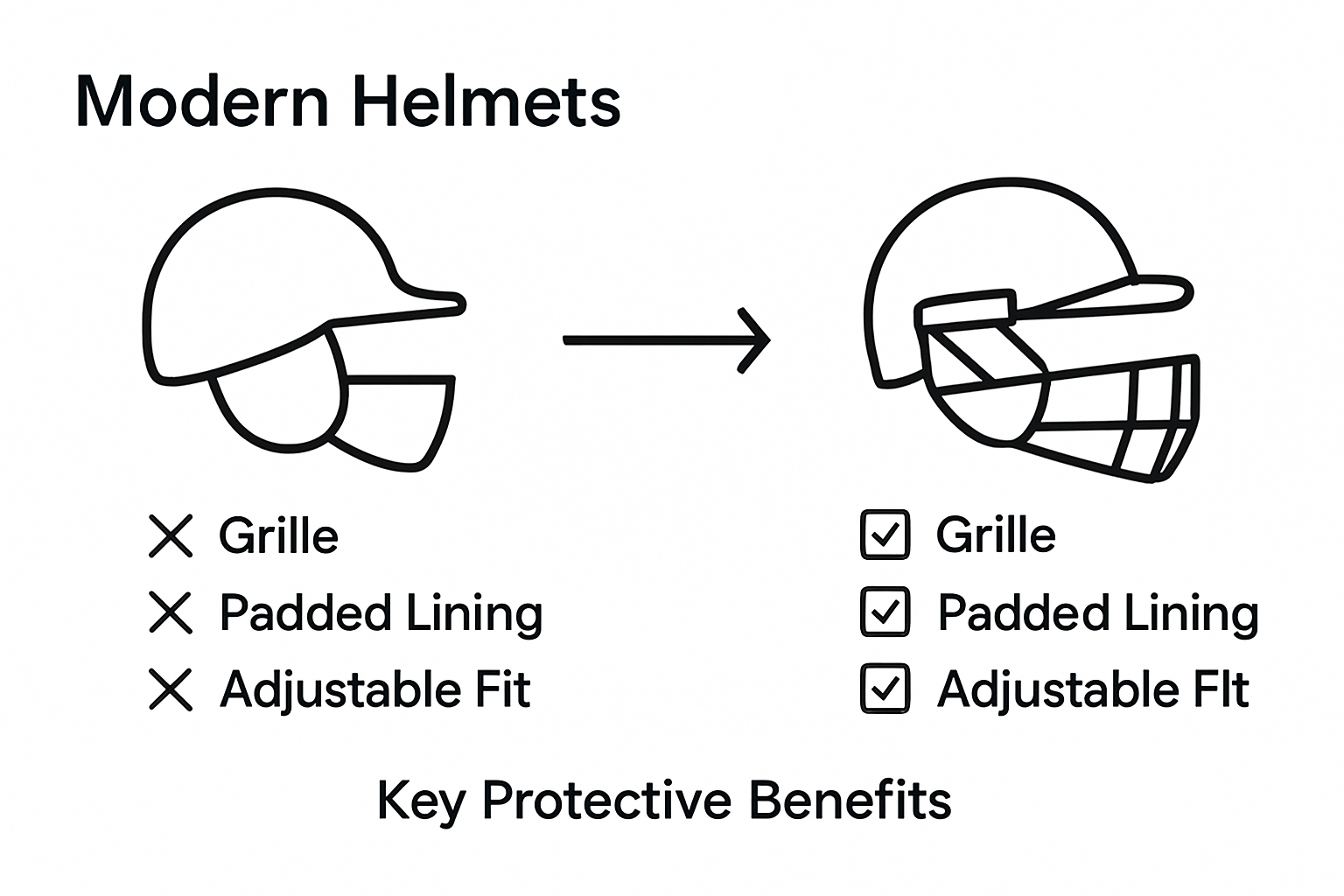
- Faceguard: Protective metal or carbon fiber grid protecting the face and preventing direct ball contact
- Adjustable Straps: Ensuring a secure, personalized fit for different head sizes
Understanding the nuanced aspects of cricket helmet design and safety standards can help players make informed choices about their protective equipment. While no helmet can guarantee absolute protection, these sophisticated pieces of gear represent a critical line of defense against potential career-ending or life-altering injuries on the cricket field.
Types of Cricket Helmets and Protective Features
Cricket helmets have evolved significantly, offering players multiple design variations tailored to different playing styles and safety requirements. Modern cricket helmets can be broadly categorized into standard batting helmets, wicketkeeper helmets, and specialized junior helmets, each engineered with unique protective characteristics. A comparative experimental study examining cricket helmet designs highlights the critical importance of thermal properties and ventilation features that enhance player comfort while maintaining optimal protection.
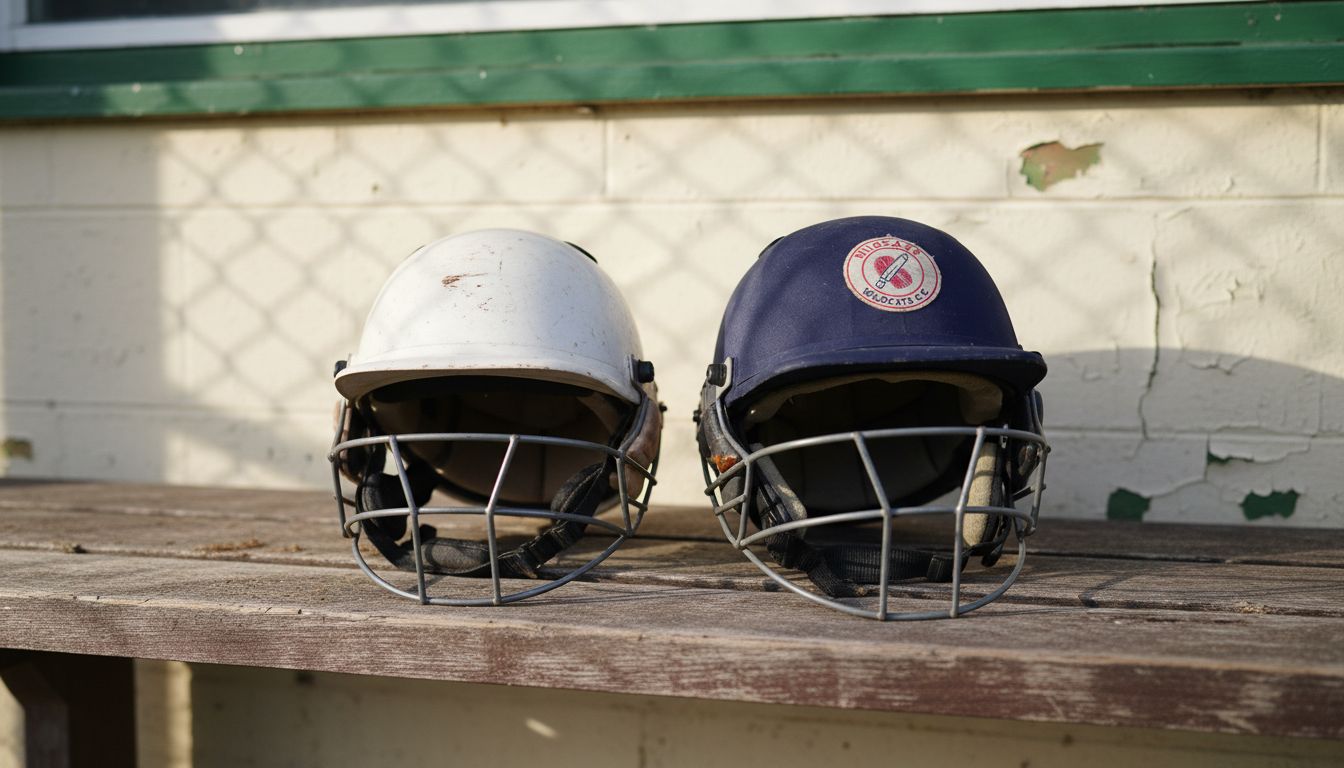
The primary types of cricket helmets include batting helmets with comprehensive facial protection, which typically feature a robust metal grill extending across the face, and wicketkeeper helmets with slightly modified design elements to accommodate increased mobility. Innovative research has introduced novel neck protection guards that address potential vulnerabilities in traditional helmet designs, demonstrating ongoing technological advancements in player safety equipment.
Key protective features across different cricket helmet types include:
- Impact-Resistant Shell: Constructed from high-grade polymers or carbon fiber materials
- Adjustable Interior Padding: Customizable cushioning for personalized fit and shock absorption
- Ventilation Channels: Strategic airflow design to prevent overheating during extended play
- Extended Faceguard: Comprehensive facial protection with precision-engineered metal grills
- Lightweight Construction: Balancing protection with player comfort and mobility
Understanding the different types of cricket helmets becomes crucial for players seeking optimal protection. While design variations exist, the core objective remains consistent: providing comprehensive safety without compromising performance or player comfort. Modern cricket helmet manufacturers continually invest in research and development to create increasingly sophisticated protective gear that meets the dynamic safety requirements of contemporary cricket.
Safety Standards and Global Compliance Requirements
Global cricket safety regulations have become increasingly sophisticated, establishing rigorous standards to protect players from potential head injuries. The International Cricket Council mandates specific helmet compliance requirements, including adherence to the British Standard BS 7928:2013, which serves as a comprehensive framework for helmet design and protective capabilities across international competitions.
Systematic video analysis of professional cricket helmet safety characteristics has revealed critical insights into the importance of standardized protective equipment. These studies demonstrate that consistent safety standards are not merely bureaucratic requirements but essential mechanisms for preventing potentially career-ending or life-threatening head injuries during matches.
Key compliance requirements for cricket helmets typically include:
- Material Specifications: Minimum impact resistance standards
- Protective Coverage: Defined facial and neck protection zones
- Impact Testing: Mandatory laboratory-verified shock absorption tests
- Quality Control: Regular manufacturing and design audits
- Performance Certification: Independent verification of protective capabilities
Comprehensive cricket helmet safety guidelines play a crucial role in player protection. While no standard can guarantee absolute safety, these meticulously developed regulations represent a significant advancement in reducing risk and ensuring that players can compete with confidence, knowing their equipment meets rigorous international safety benchmarks.
Common Misconceptions About Helmet Use
Cricket players often harbor dangerous misconceptions about helmet protection that can compromise their safety. Scientific research reveals that despite helmet use, players continue to sustain head injuries, challenging the assumption of absolute protection, which underscores the critical need for comprehensive understanding and proper helmet usage.
Variations in helmet performance demonstrate that not all protective gear offers equal safeguarding capabilities, debunking the widespread belief that any helmet provides sufficient protection. Many players mistakenly assume that simply wearing a helmet guarantees complete safety, overlooking crucial factors like proper fit, maintenance, and specific design characteristics that significantly impact protective efficacy.
Common helmet misconceptions include:
-
Myth: All helmets provide equal protection
- Reality: Helmet designs and materials vary dramatically in impact resistance
-
Myth: Helmets prevent all possible head injuries
- Reality: Helmets reduce risk but cannot eliminate all potential trauma
-
Myth: Expensive helmets automatically mean better protection
- Reality: Price does not always correlate directly with safety performance
-
Myth: One-size-fits-all approach works for helmet selection
- Reality: Proper sizing and individual fit are crucial for maximum protection
Understanding the nuanced aspects of cricket helmet safety requires players to move beyond simplistic assumptions. Responsible protection demands continuous education, regular equipment assessment, and a realistic approach to safety that acknowledges both the capabilities and limitations of protective gear.
Risks of Improper Helmet Fit or Usage
Scientific analysis of cricket helmet safety reveals critical risks associated with improper helmet fit, demonstrating that incorrect sizing and usage can significantly compromise player protection. A poorly fitted helmet creates multiple vulnerabilities that can transform what should be protective equipment into a potential source of additional injury during high-impact cricket scenarios.
Helmet performance studies highlight that failing to meet safety standards due to poor design or fit can dramatically increase player vulnerability. Improper helmet usage extends beyond simple sizing issues, encompassing multiple factors that can undermine protective capabilities and expose players to unnecessary risks during match play.
Key risks associated with improper helmet fit include:
-
Reduced Impact Protection
- Loose helmets shift during ball impact, creating unpredictable trauma zones
- Tight helmets restrict movement and cause discomfort
-
Compromised Visibility
- Incorrectly positioned helmets obstruct peripheral vision
- Impaired visual tracking increases collision and injury risks
-
Structural Weakness
- Damaged or worn helmets lose critical shock absorption capabilities
- Neglected maintenance reduces overall protective effectiveness
-
Inadequate Coverage
- Improperly sized helmets leave critical areas exposed
- Incorrect positioning creates vulnerable zones around face and neck
Understanding precise cricket helmet fitting techniques becomes crucial for player safety. Responsible athletes must recognize that a helmet is not a passive piece of equipment, but an active safety mechanism requiring careful selection, regular inspection, and meticulous maintenance to provide optimal protection during competitive play.
Elevate Your Safety with the Right Cricket Helmet from CricketKingdom
The article highlights the critical importance of proper cricket helmets that offer impact resistance, secure fit, and compliance with safety standards. If you are serious about protecting yourself from head injuries and ensuring maximum comfort during play, you need gear that matches those exacting requirements. Avoid the risks of improper helmet fit or subpar protection by investing in high-quality helmets designed for performance and safety.

Explore our broad selection of professional-grade cricket helmets and accessories at CricketKingdom.co.uk. With features like adjustable padding, advanced faceguards, and certified impact-resistant materials, our helmets provide peace of mind and help you stay focused on the game. Act now to take advantage of our free shipping on orders over £100 and secure your ultimate head protection today. Start browsing our collection to find the perfect fit tailored for your style at CricketKingdom.co.uk.
Frequently Asked Questions
What are the main purposes of cricket helmets?
Cricket helmets are designed to protect players from potentially life-threatening head and facial injuries by absorbing and dispersing the kinetic energy generated by high-speed cricket balls.
What types of cricket helmets are available?
Cricket helmets primarily include batting helmets, which offer comprehensive facial protection, and wicketkeeper helmets, which are modified for increased mobility. There are also specialized junior helmets for younger players.
How can I ensure my cricket helmet fits properly?
To ensure a proper fit, adjust the helmet’s straps for a secure but comfortable fit, ensuring it sits snugly without obstructing vision. Regularly check for wear and tear, and replace padding if necessary for optimal protection.
What are the safety standards that cricket helmets must meet?
Cricket helmets must adhere to specific safety standards, such as the British Standard BS 7928:2013, which includes material specifications, impact testing, and quality control measures to ensure adequate protection against head injuries.
Recommended
- Understanding Types of Cricket Helmets for Safety – The Cricket Kingdom
- Cricket Helmet Safety Standards: Complete Guide – The Cricket Kingdom
- Understanding Cricket Protective Gear Tips for Safety – The Cricket Kingdom
- Cricket Helmet Sizing Guide: Fit, Types, and Safety – The Cricket Kingdom