
Role of Pads in Cricket—Protection, Types, and Fit
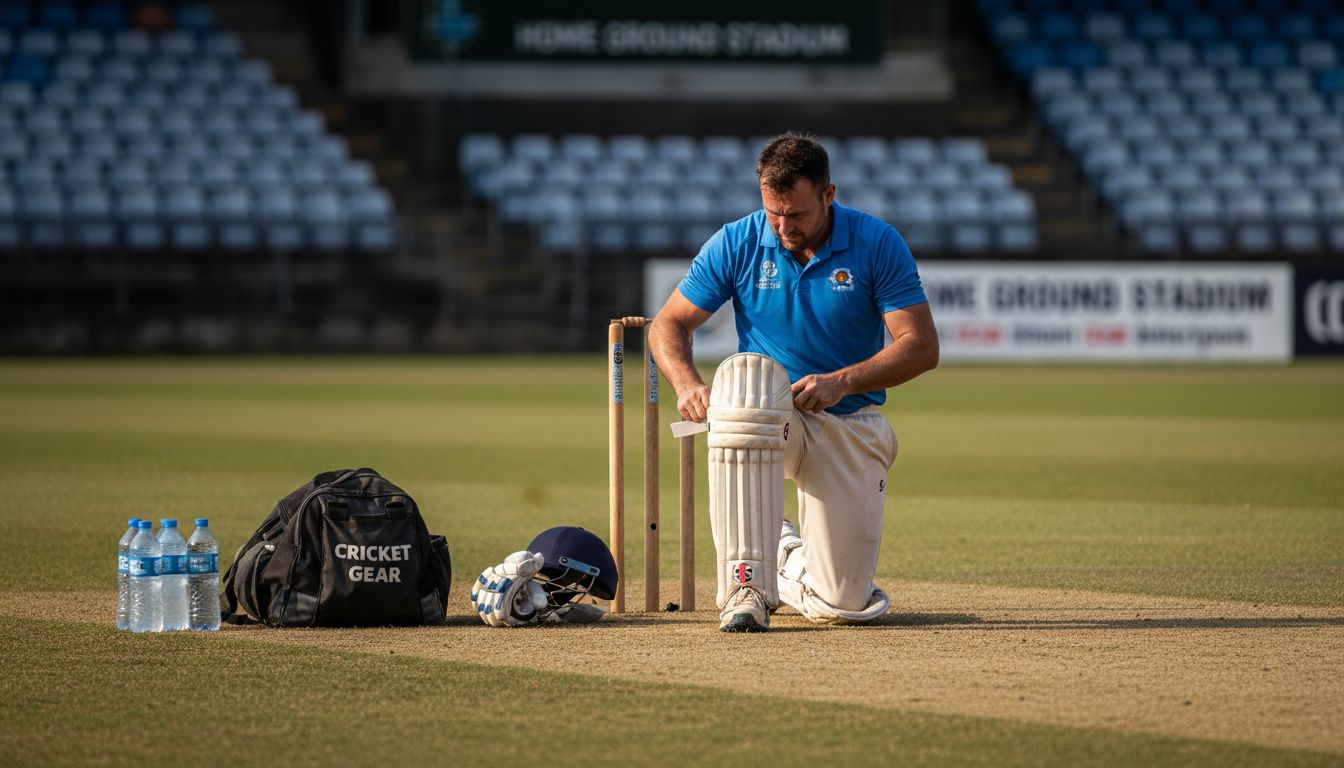
Most American sports fans are surprised to learn that cricket balls can reach speeds over 90 miles per hour, posing serious injury risks to unprotected players. While baseball gear is standard across the United States, many overlook how cricket pads shield athletes from impacts that could end careers in seconds. Understanding the unique role of these advanced leg guards reveals how critical they are for player safety and why choosing the right cricket pads makes all the difference for athletes at every level.
Table of Contents
- What Are Cricket Pads and Why They Matter
- Different Types of Pads for Batters and Keepers
- Key Features of Modern Cricket Pads
- How Proper Fit Affects Safety and Performance
- Common Mistakes When Choosing Cricket Pads
Key Takeaways
| Point | Details |
|---|---|
| Cricket Pads Protect Players | Cricket pads shield batters and wicket-keepers from serious injuries caused by high-speed cricket balls, which can exceed 145 kilometers per hour. |
| Pad Types Vary by Role | Batting pads provide comprehensive protection, while wicket-keeper pads prioritize mobility and quick movement. |
| Fit is Crucial for Safety | Proper fitting of cricket pads ensures maximum protection and mobility, preventing injuries during play. |
| Avoid Common Selection Mistakes | Players should carefully assess their needs and avoid choosing pads solely based on price or appearance to maintain safety and performance. |
What Are Cricket Pads and Why They Matter
Cricket pads are specialized protective gear designed to shield players from potentially dangerous ball impacts during matches. These crucial leg guards protect batters and wicket-keepers from serious injuries when facing cricket balls traveling at extraordinary speeds.
Understanding cricket pads requires recognizing their critical role in player safety. Leg guards are engineered to absorb and disperse the immense kinetic energy generated when a hard cricket ball strikes a player’s lower body. Modern cricket pads are constructed with advanced materials like high-density foam, reinforced plastics, and lightweight protective shells that provide maximum protection without compromising mobility.
The importance of cricket pads cannot be overstated. Cricket balls can be delivered at velocities exceeding 145 kilometers per hour, creating significant risk of bone fractures, muscle trauma, and severe leg injuries. Professional and amateur players alike rely on these protective devices to prevent potentially career-ending or life-altering injuries. Pads typically cover the shin, knee, and lower thigh areas – the most vulnerable regions when facing fast bowling.
While cricket pads might seem like simple equipment, they represent a sophisticated blend of safety engineering and athletic design. High-quality pads are meticulously designed to offer comprehensive protection while allowing players to maintain their full range of motion during critical moments of gameplay. Whether you’re a weekend amateur or a professional athlete, selecting the right cricket pads is an investment in your personal safety and performance.
Different Types of Pads for Batters and Keepers
Cricket pads are specialized protective equipment designed specifically for different player roles, with distinct characteristics tailored to batting and wicket-keeping requirements. Cricket pads are categorized into two primary types: batting pads and wicket-keeper’s pads, each engineered to provide optimal protection and performance for their specific positions.
Batting pads represent the most comprehensive protective gear, covering the entire lower leg region from ankle to knee. These pads are substantially larger and more robust, featuring extensive padding to shield batters from high-velocity cricket balls. Wicket-keeper’s pads, by contrast, are engineered for enhanced mobility and flexibility, with a lighter construction that allows for quick, dynamic movements behind the stumps.
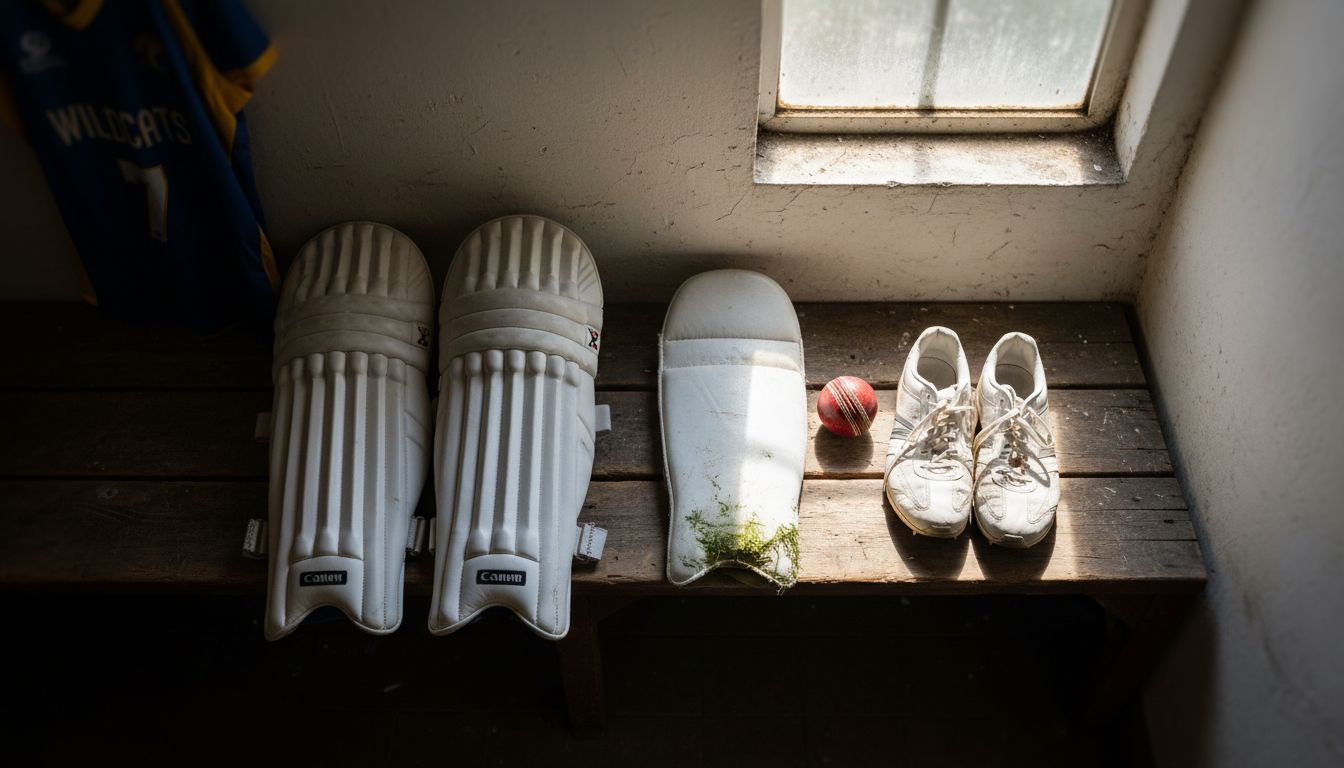
The key differences between batting and wicket-keeper pads extend beyond mere size and weight. Batting pads typically include larger knee rolls, more extensive side protection, and thicker padding to absorb the direct impact of fast deliveries. Wicket-keeper pads, meanwhile, prioritize agility with minimal knee flaps and lightweight materials that enable rapid lateral movements and quick reactions.
Professional players understand that selecting the right type of cricket pads is crucial for both safety and performance. While batting pads offer maximum coverage and protection, wicket-keeper pads are designed to balance protection with the unique mobility demands of their specialized position. Ultimately, the choice between these pad types depends on the specific role a player occupies on the cricket field, with each design meticulously crafted to meet the distinct challenges of batting and wicket-keeping.
Key Features of Modern Cricket Pads
Advanced materials have revolutionized cricket pad design, transforming these essential pieces of protective equipment into sophisticated performance gear. Modern cricket pads now utilize cutting-edge materials like high-density polyethylene foam and carbon fiber, reducing weight while dramatically improving protection and player comfort.
Contemporary cricket pads are ergonomically engineered to provide an unprecedented blend of safety and mobility. They feature contoured designs that precisely match the human leg’s natural shape, ensuring a snug fit that prevents unwanted movement during intense gameplay. The interior padding uses soft, responsive materials that absorb impact while allowing players to maintain full range of motion.
Key technological innovations in modern cricket pads include lightweight construction techniques that reduce player fatigue, advanced shock absorption systems, and breathable fabric technologies. These pads are approximately 35% lighter than traditional designs, yet offer superior protection against high-velocity cricket ball impacts. Strategically placed reinforcement zones and flexible joint areas allow players to move with increased agility and confidence.
Professional cricketers recognize that selecting the right cricket pad fitting guide is crucial for maximizing both protection and performance. Modern pads represent a remarkable fusion of sports science, materials engineering, and athletic design – transforming what was once simple protective equipment into a sophisticated piece of performance technology that adapts to the dynamic demands of cricket.
How Proper Fit Affects Safety and Performance
Cricket pad fitting represents a critical intersection of player safety and athletic performance, where millimeters can make a significant difference in protection and mobility. Proper cricket pad fitting ensures that players have maximum protection without compromising their ability to move quickly and respond to rapidly changing game conditions.
Inadequately fitted pads create multiple performance risks. Pads that are too large can shift during movement, exposing vulnerable areas of the leg and creating potential injury points. Conversely, pads that are too small restrict movement, limit range of motion, and fail to provide comprehensive protection against high-velocity cricket ball impacts. Players must achieve a precise balance where pads feel like a natural extension of their body – snug enough to stay in place, yet flexible enough to allow dynamic athletic movements.
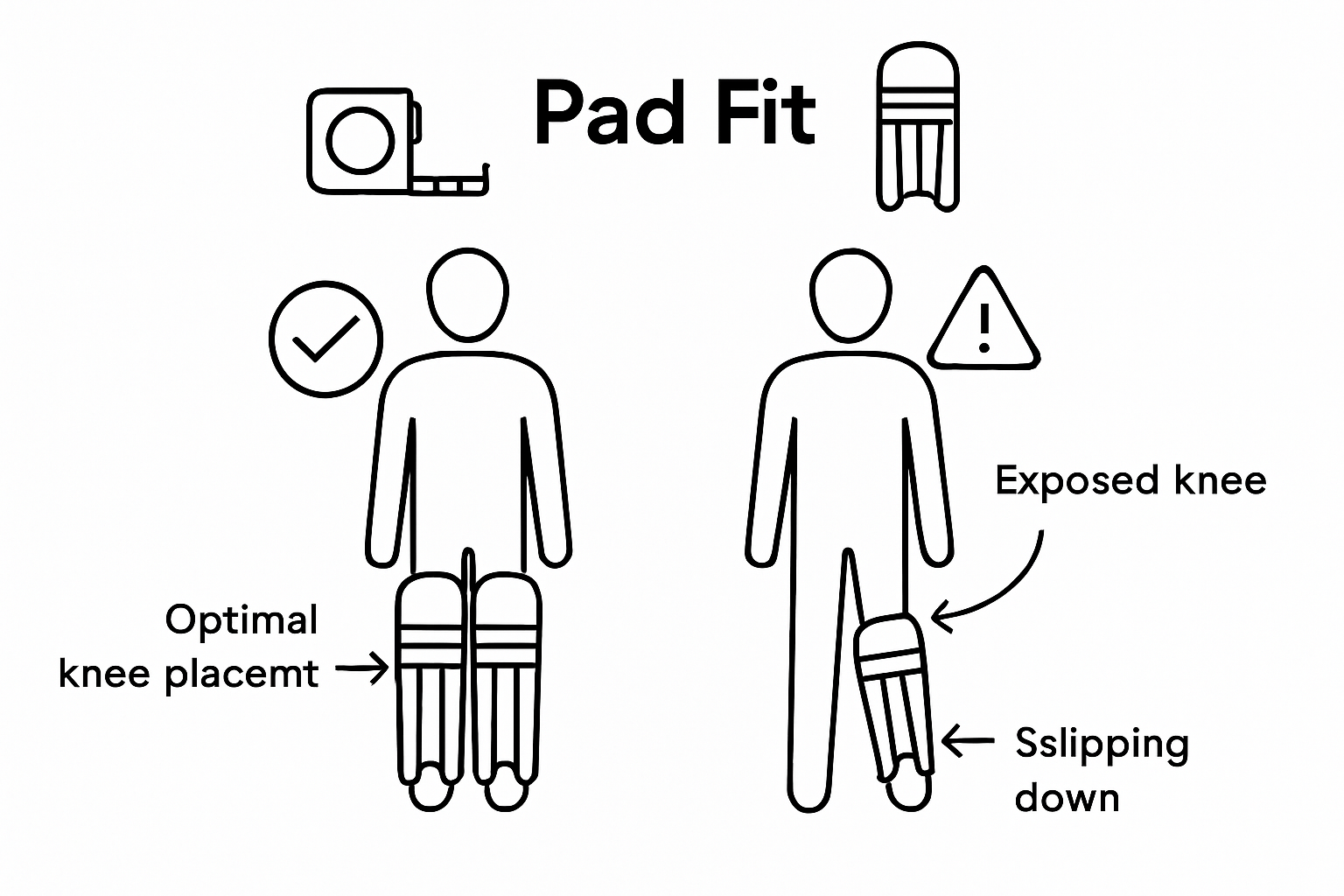
The biomechanics of cricket pad fitting involve careful measurements of leg length, circumference, and individual playing style. Professional players often work with equipment specialists to customize pad fitting, taking into account factors like batting stance, bowling position, and personal comfort preferences. Key fitting considerations include ensuring the pad covers the shin completely, allows unrestricted knee movement, and maintains a secure position during sudden directional changes.
Ultimately, selecting the right cricket pad fitting guide can be the difference between a comfortable, confident performance and a potentially dangerous playing experience. The perfect cricket pad becomes an invisible protective layer that enhances a player’s natural abilities, providing confidence through superior protection and unrestricted movement.
Common Mistakes When Choosing Cricket Pads
Selecting cricket pads requires more than just grabbing the first pair off the shelf. Many players make critical errors that compromise their safety and performance. Understanding why proper cricket pad selection matters is the first step in avoiding potentially dangerous equipment choices.
One of the most frequent mistakes is purchasing pads based solely on price or appearance. Players often select pads that are either too large or too small, creating significant mobility and protection issues. Oversized pads can shift during play, leaving critical areas of the leg exposed, while undersized pads restrict movement and provide inadequate coverage against high-velocity ball impacts. Professional cricketers understand that pad fit is a nuanced process requiring careful measurement and personal assessment.
Another common error involves neglecting individual playing style and position-specific requirements. Thigh pad selection is particularly crucial, as different playing positions demand unique protective configurations. Batters and wicket-keepers have dramatically different pad needs – a one-size-fits-all approach can lead to compromised performance and increased injury risk. Players must consider factors like leg circumference, playing stance, and personal comfort when choosing pads.
Ultimately, selecting the right batting pads requires a thoughtful approach that balances protection, comfort, and individual playing characteristics. Cheap, ill-fitting pads might save money in the short term, but they can cost a player significantly in terms of performance, confidence, and potential injury risks. Smart cricketers invest time in understanding their specific equipment needs, recognizing that quality protective gear is an essential investment in their athletic career.
Discover the Perfect Cricket Pads for Your Safety and Performance
Choosing the right cricket pads is critical to protect yourself from fast, high-impact balls while maintaining the freedom to perform at your best. The detailed article on the role of pads in cricket highlights crucial aspects like proper fit, the differences between batting and wicket-keeper pads, and modern materials that enhance safety and comfort. If you want to avoid common mistakes like ill-fitting gear or unsuitable pad types that can hinder your game, it is time to explore quality options tailored to your playing style.

At CricketKingdom.co.uk, you gain access to a wide selection of professional-grade cricket pads designed to meet the unique demands of every player. Our expert guidance and premium products help you invest in protective gear that feels like a natural extension of your body. Protect your legs with confidence and elevate your game today by visiting CricketKingdom.co.uk where quality, fit, and performance come together. Take the next step toward playing safer and stronger right now.
Frequently Asked Questions
What are cricket pads, and why are they important?
Cricket pads are protective gear worn by batters and wicket-keepers to shield against high-velocity ball impacts. They play a critical role in player safety by absorbing and dispersing the kinetic energy from fast deliveries, thus preventing serious injuries.
What are the different types of cricket pads available?
There are primarily two types of cricket pads: batting pads and wicket-keeper’s pads. Batting pads offer extensive protection covering the entire lower leg, while wicket-keeper pads are designed for enhanced mobility and flexibility, allowing quick movements behind the stumps.
How does the fit of cricket pads affect player performance?
Proper fitting of cricket pads is essential for maximizing protection and mobility. Pads that are too large can shift, exposing vulnerable areas, while too-small pads can restrict movement. A well-fitted pad acts as a natural extension of the player’s body, enhancing confidence during play.
What common mistakes should players avoid when selecting cricket pads?
Players often err by choosing pads based only on price or appearance, leading to improper fit. Additionally, neglecting individual playing style and position-specific requirements can compromise safety and performance. It’s important to carefully consider leg dimensions and personal comfort to select the right pads.
Recommended
- Understanding the Types of Cricket Pads for Players – The Cricket Kingdom
- Cricket Pads Fitting: Everything You Need to Know – The Cricket Kingdom
- Types of Cricket Pads Explained: Complete Guide – The Cricket Kingdom
- Understanding Why Use Cricket Pads for Protection – The Cricket Kingdom
- Heavy Duty Floor Protection: A Practical Guide to Safe, Durable Floori – Mats4U USA